
Page 2 of 2
Archive
27 pieces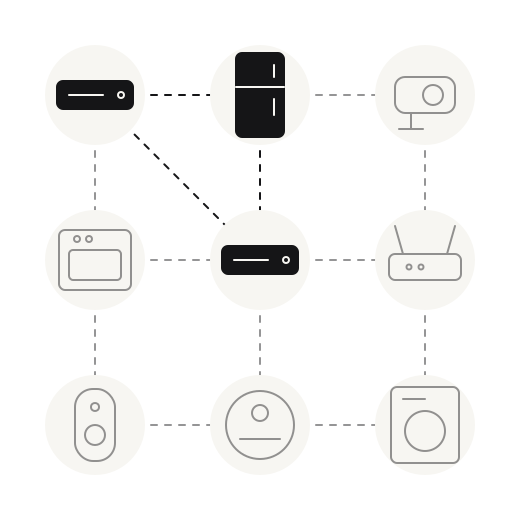 Security9 min readHow close are we to AI that copies itself?Anthropic ran a model on 15 TV boxes costing 55 dollars each. Home devices are ideal ground for an AI worm, and it is worth preparing before one arrives.
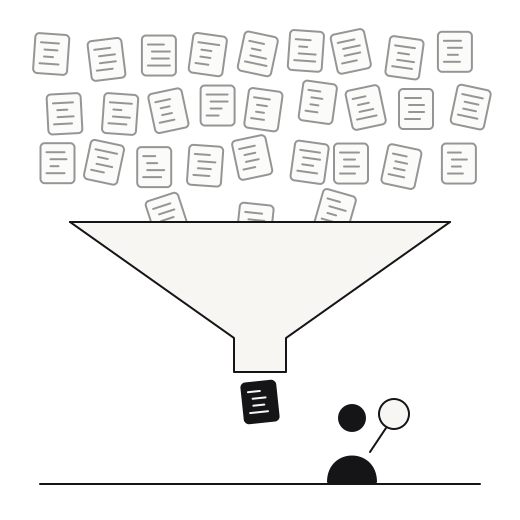 Software11 min readIf AI writes the code, who checks it?Linus Torvalds now says he likes using artificial intelligence, but the Linux kernel shows its hidden cost: writing code keeps getting cheaper, checking it does not. The same problem reaches every company that brings AI into software development.
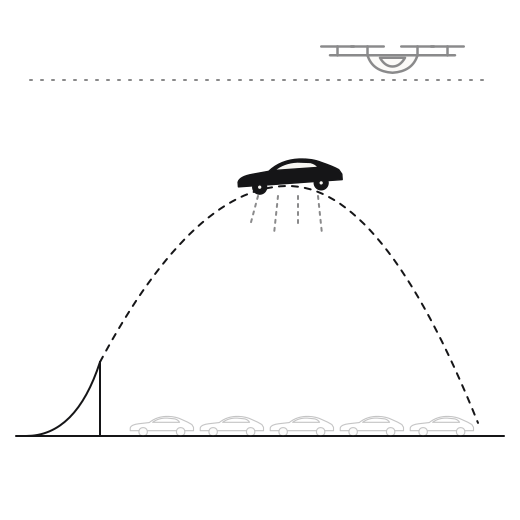 Mobility11 min readHave flying cars really arrived?The new Tesla Roadster jumps over five cars, but a jump is not a flight. What it really takes to make a car fly, who is closest, and why the flying car will arrive as a service before it arrives as something in your garage.
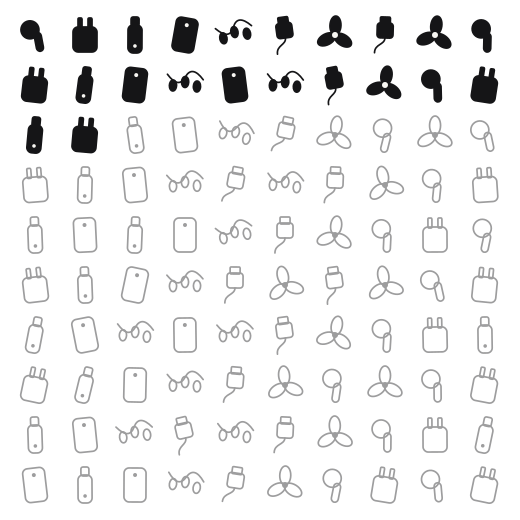 Environment10 min readFast tech: when technology becomes disposableCables, earbuds, power banks, mini fans: small electronic gadgets bought in a hurry and used for a short time. What the European data say, where these objects end up, and why a low price does not tell the whole cost.
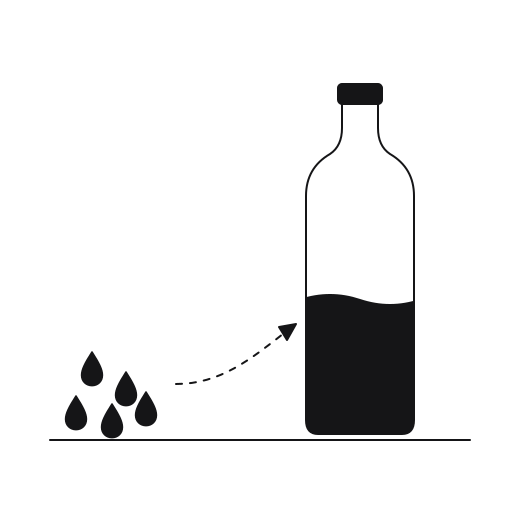 Environment4 min readHow much does a question to AI really weigh?Estimates range from five drops of water to half a bottle. They do not contradict each other, because they measure different things, and the answer depends on what we decide to count.
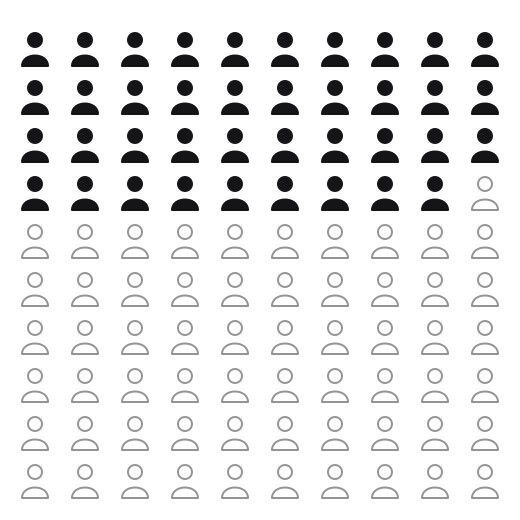 Work3 min readInnovation is about peopleNo tool works if the people using it do not understand it. Why adopting artificial intelligence depends on people more than on technology, what the law requires, and which abilities will stay valuable.
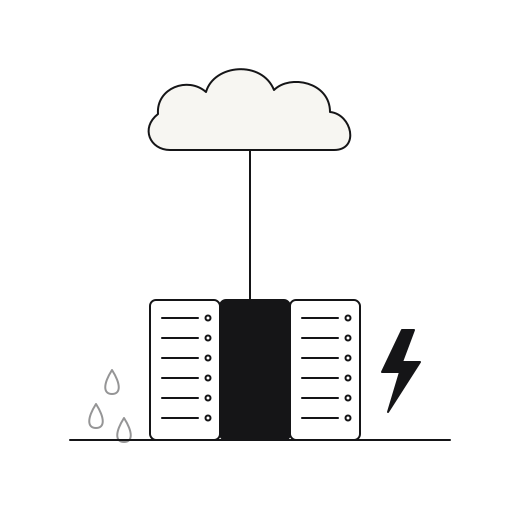 Environment4 min readThe invisible weight of artificial intelligenceEnergy, water, raw materials: even what seems immaterial leaves a footprint. Where an AI answer comes from, why efficiency alone is not enough, and which levers we have to make it lighter.
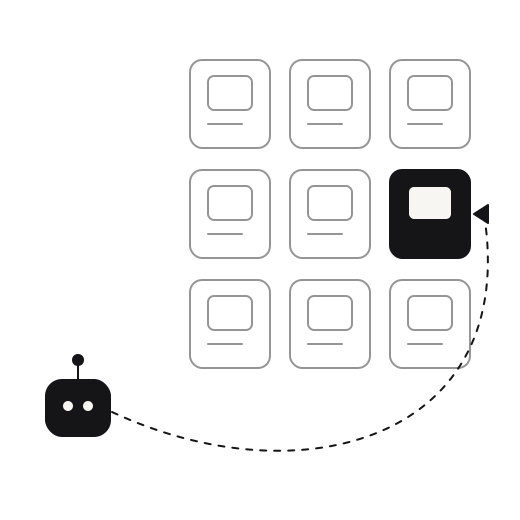 AI agents4 min readWhen machines start to chooseAssistants that recommend, agents that buy on our behalf. What changes for people, brands and markets when a machine moves from answering to acting, and four questions to ask before delegating.
 Platforms4 min readWho holds the keys?The more we rely on a few tools and platforms, the less free we are to choose. How to recognise technological dependence, why artificial intelligence raises the risk, and how to build a way out from the start.
 Innovation5 min readThe future always arrives sooner than expectedEvery great invention looked like science fiction until we found it in our pocket. With artificial intelligence the change shows up late: the history of electricity helps explain why, and points to the signals worth watching now.