
From fire to artificial intelligence
A million years in a day
If history from the first traces of fire to today lasted twenty-four hours, generative artificial intelligence would have arrived in the last third of a second. Scroll and watch the clock.
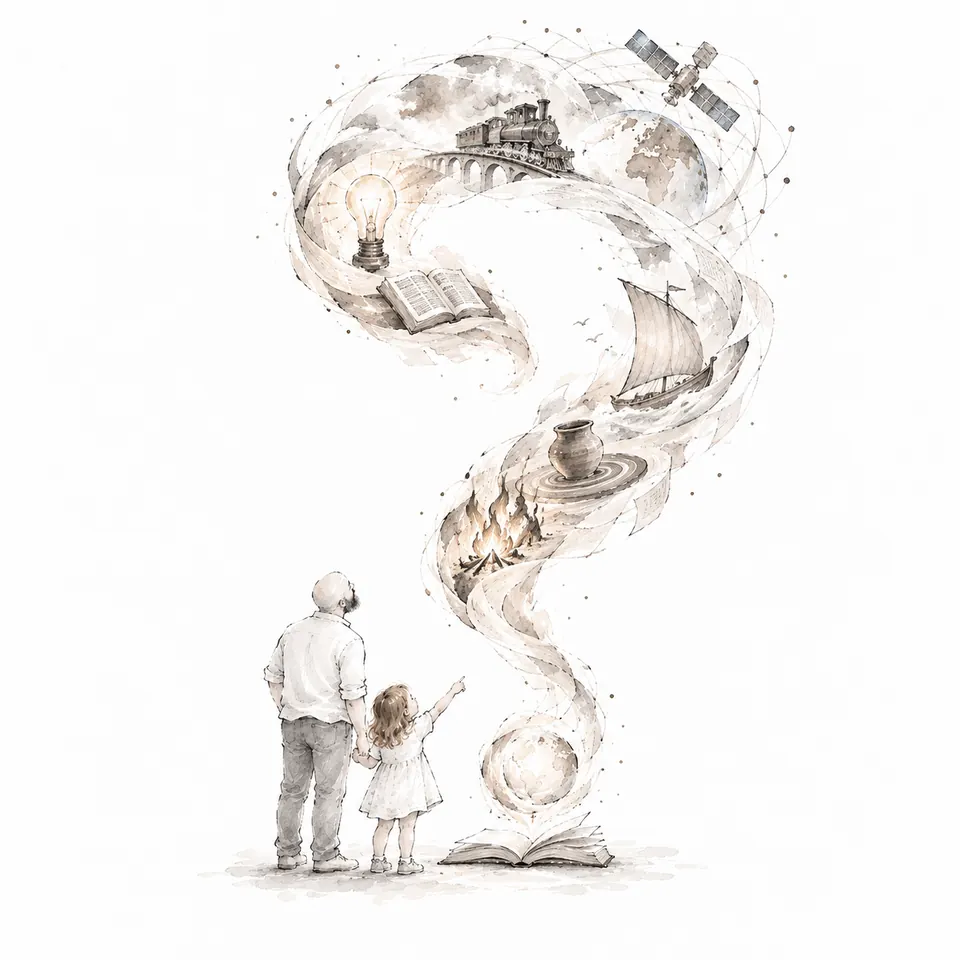
What it shows
Almost everything we use every day was born in the last seconds of the day. That is why the future always seems to arrive early.
-
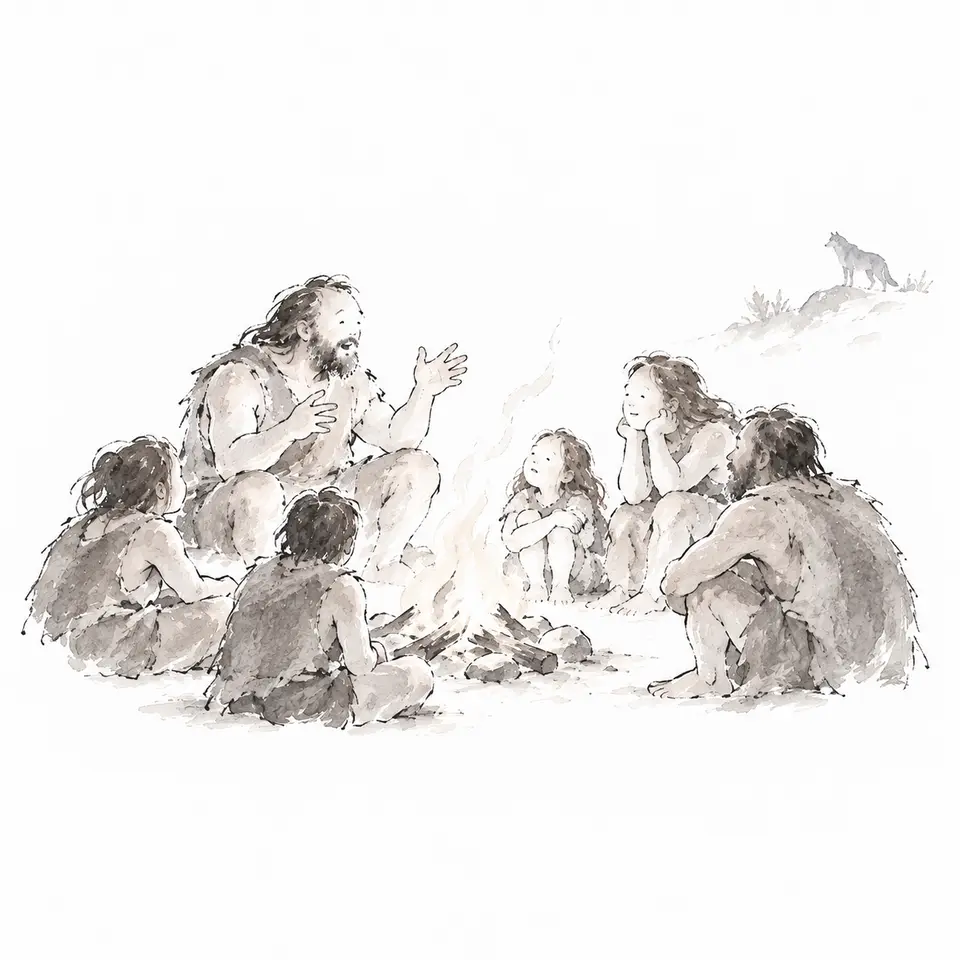
About a million years ago 00:00:00 on the clock
Fire
The oldest traces of controlled fire, in Wonderwerk Cave in South Africa, are about a million years old. Fire was not invented: it was tamed, and it became technology when lighting it turned into a repeatable procedure.
The law Nothing is invented from nothing: we tame what already exists. The greatest innovations come from learning to use a force that was already there, like fire, wind, wheat, the wolf.
-
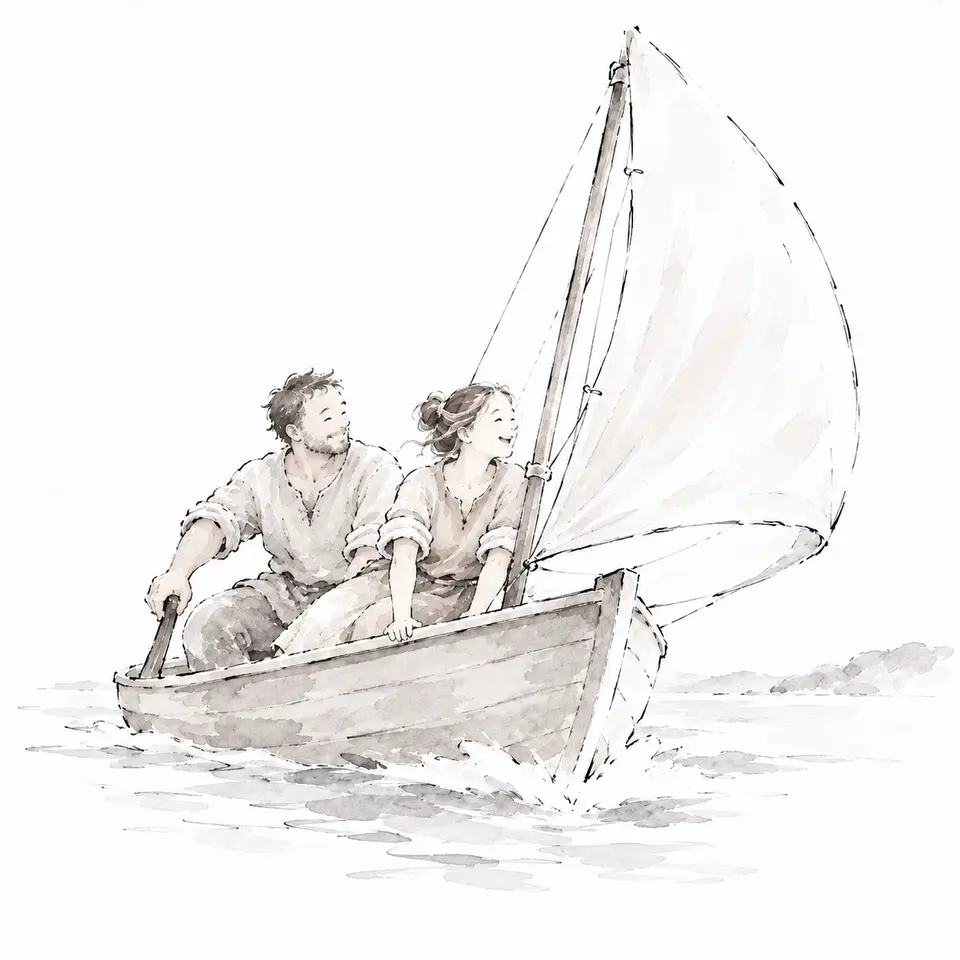
At least 50,000 years ago 22:48:00 on the clock
The boat
To reach Australia the first humans had to cross the sea, on boats of which nothing remains. Leaving the shore is the gesture behind every innovation.
The law Innovation begins where comfort ends. To find out what lies on the other side, someone has to accept leaving the shore.
-
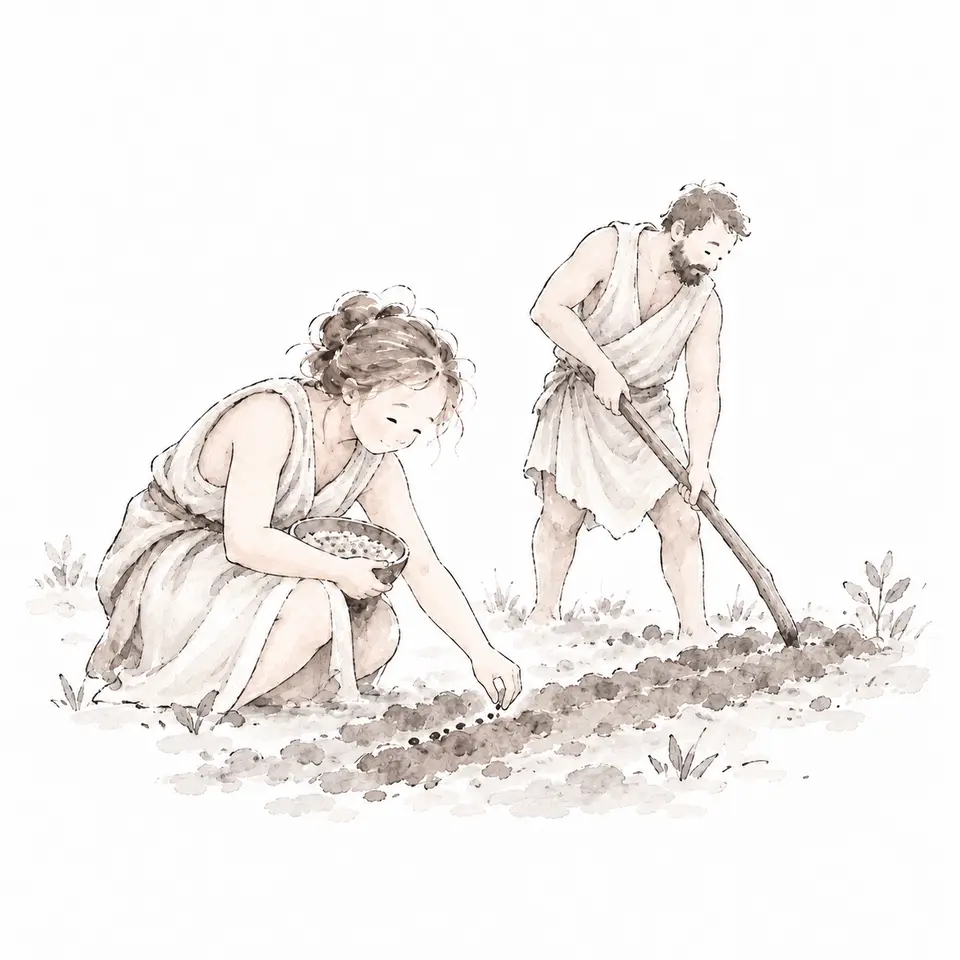
About 12,000 years ago 23:42:43 on the clock
Farming
In the Fertile Crescent people begin to sow wheat and barley instead of gathering them. Civilisation is born, and with it new inequalities and new diseases.
The law Every innovation has a hidden price. Often it is paid by someone who did not choose, and often, once it has begun, there is no turning back.
-
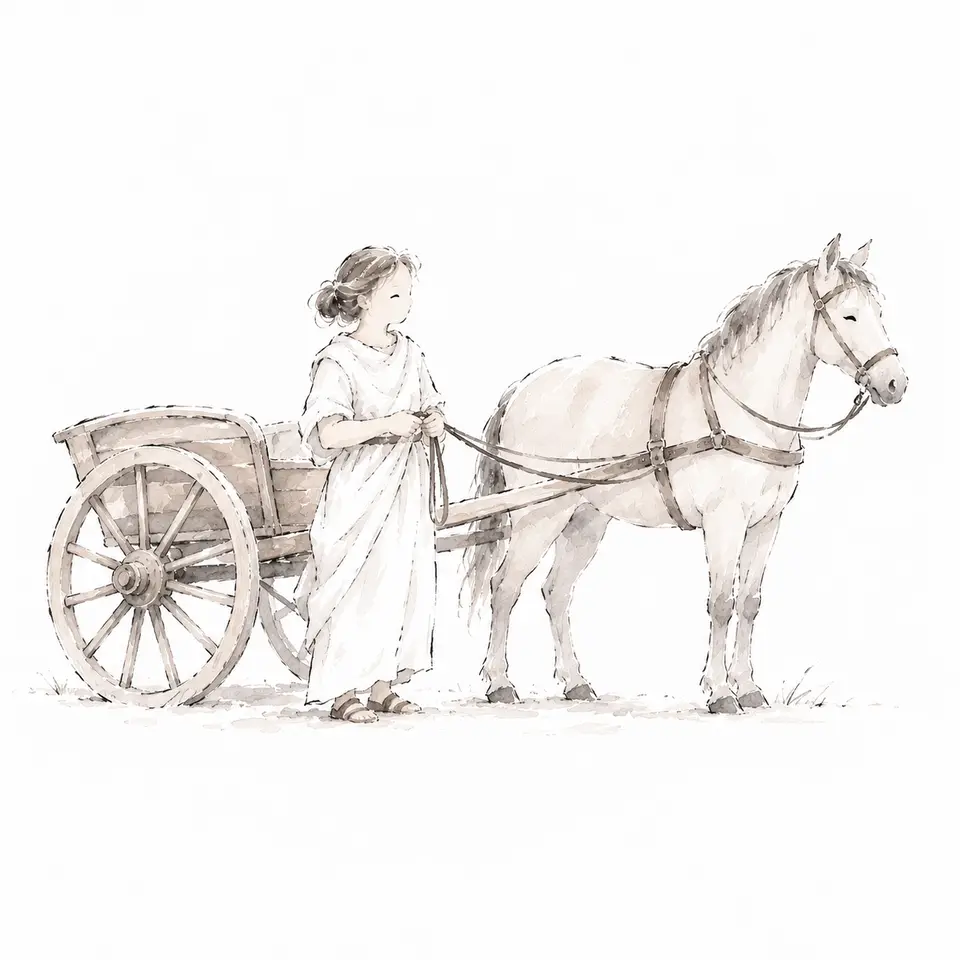
About 5,500 years ago 23:52:04 on the clock
The wheel
The oldest wheels, between Europe and Mesopotamia, are about 5,500 years old. On its own a wheel is of little use: it needs roads, carts and draught animals. It reached the bottom of a suitcase only in the 1970s.
The law Brilliant ideas look obvious only afterwards. Innovation is often not discovering something new, but combining two old things in a way that can become useful and widespread, like the wheel and the suitcase.
-
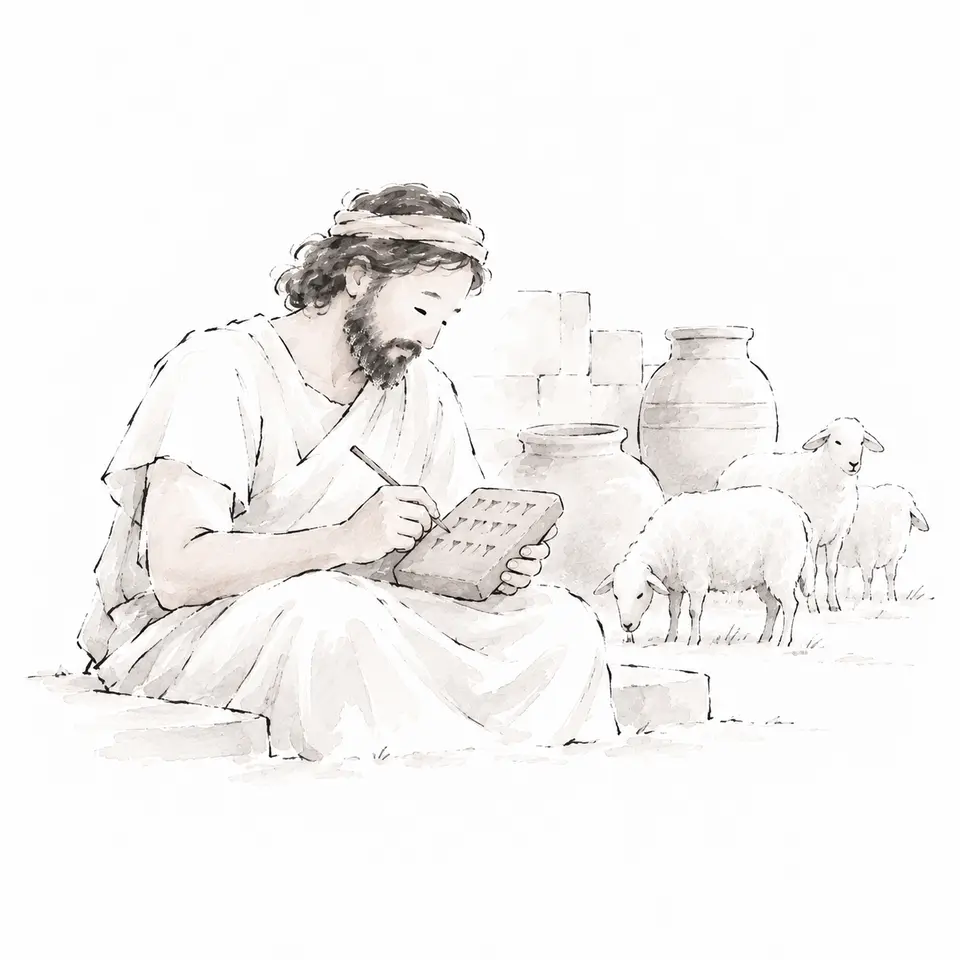
About 3200 BC 23:52:28 on the clock
Writing
In Uruk, in Mesopotamia, signs are pressed into clay to count goods and sheep. Born for bookkeeping, writing becomes a memory that lives outside our heads.
The law No invention stays what it was born for. The first Mesopotamian writing recorded goods and accounts, ARPANET connected a few research computers, text messages became far more popular than many expected.
-
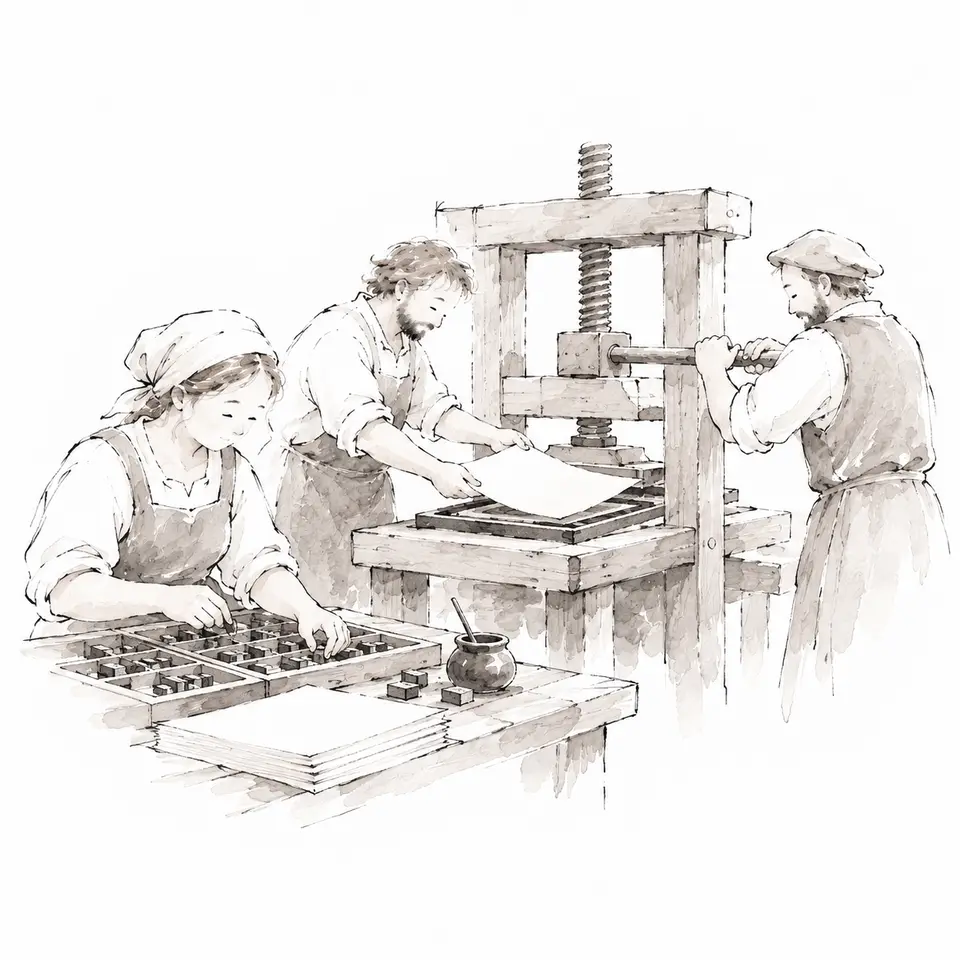
Around 1450 23:59:10 on the clock
Printing
In Mainz, Gutenberg brings together movable type, ink and the press. Copying a book no longer takes months of work, and the problem becomes choosing which information to trust.
The law When copying is cheap, the world changes. And the problem is no longer finding information, but choosing which to trust.
-
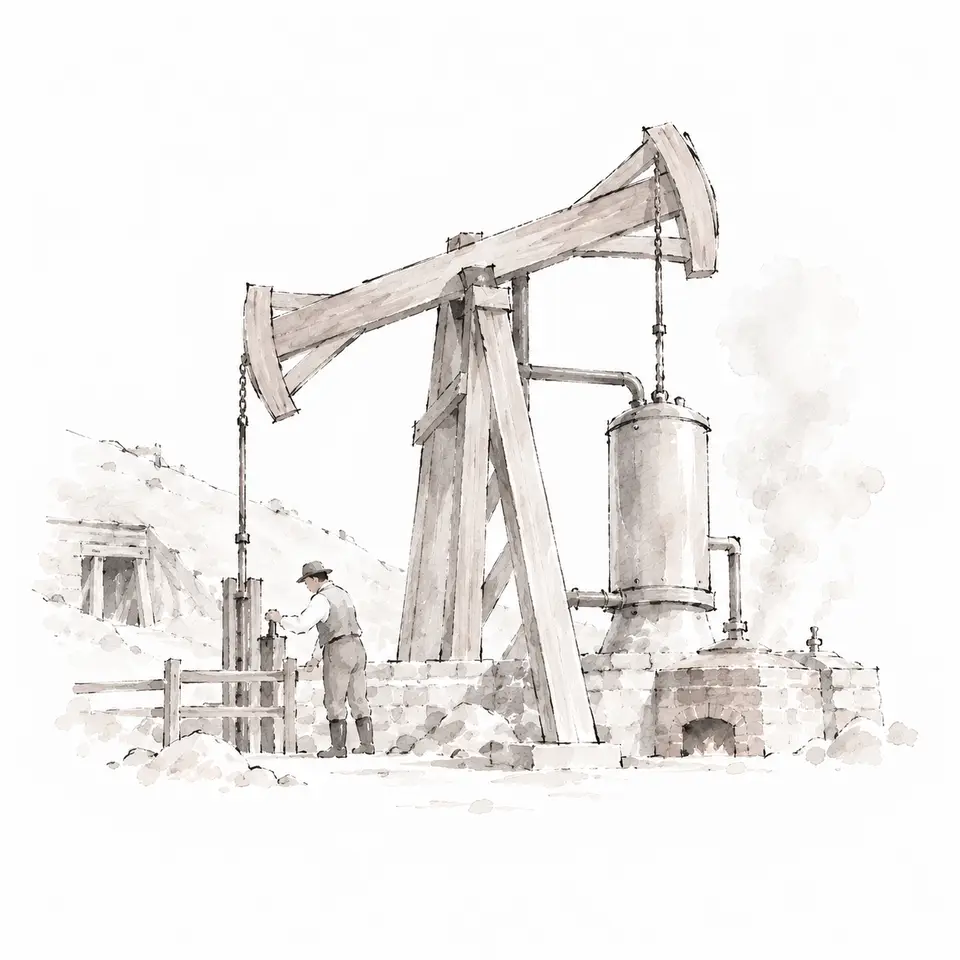
1769 23:59:37,7 on the clock
The steam engine
James Watt patents the separate condenser and makes the steam engine far more efficient. Factories change work, cities and the air we breathe.
The law Every machine also changes the person who uses it. How a technology transforms people’s lives does not depend only on the technology, but on the choices we make about how to use it.
-
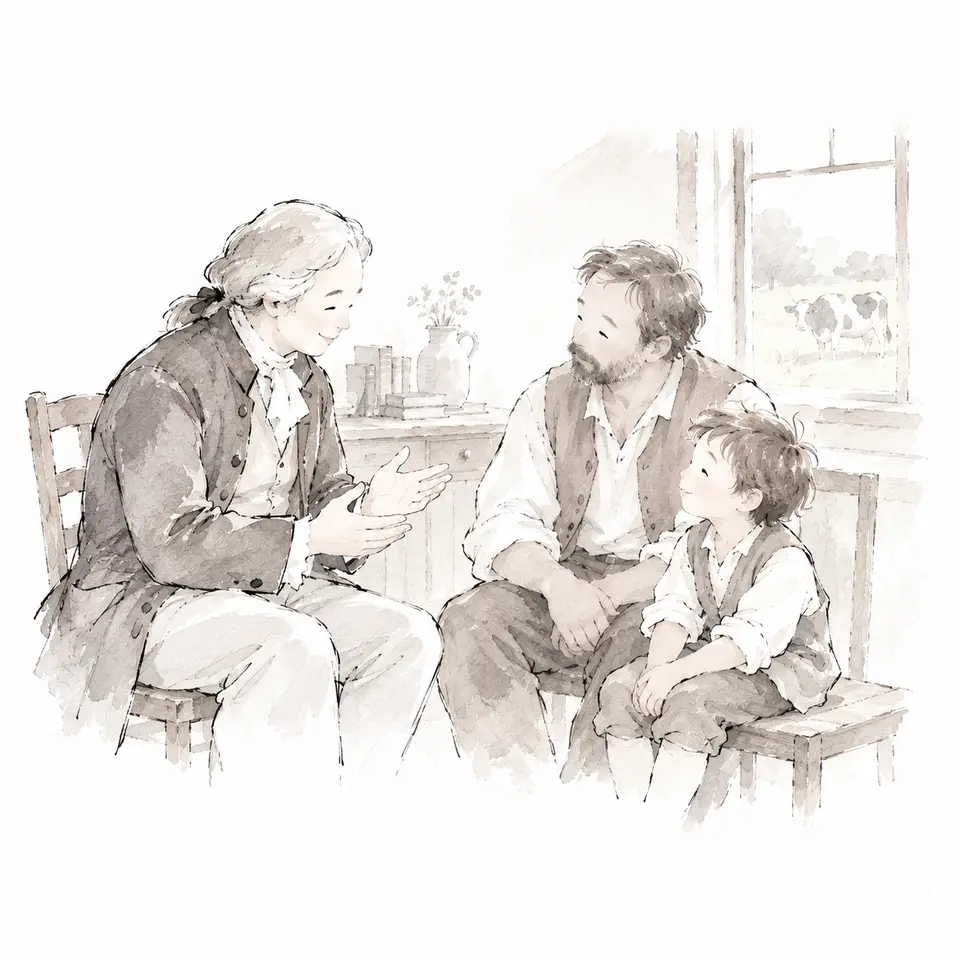
1796 23:59:40,1 on the clock
The vaccine
Edward Jenner protects a boy against smallpox using material from a milder disease. In 1980 smallpox is declared eradicated.
The law The best protections can go unnoticed: when they work, they prevent the worst from happening. Some even help us become able to do without them.
-
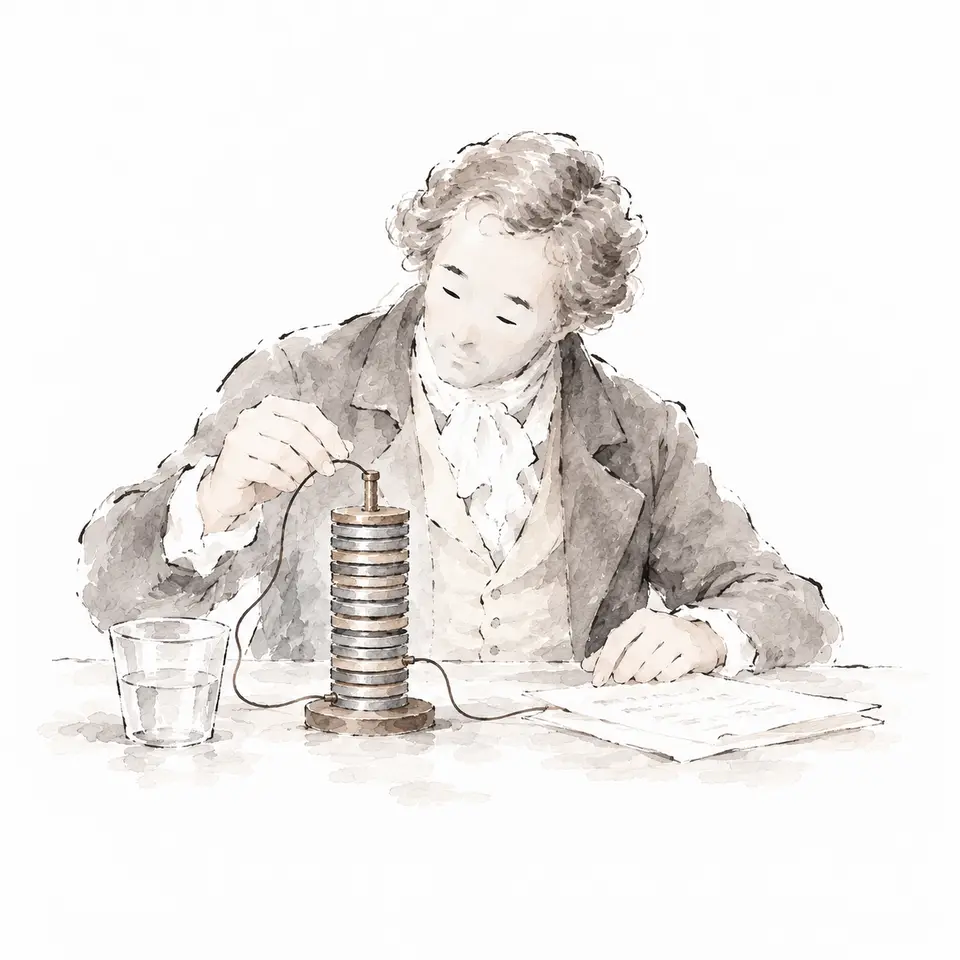
1800 23:59:40,4 on the clock
The battery
Alessandro Volta stacks discs of metal and soaked cardboard and obtains the first continuous electric current. In 1883, in Milan, La Scala lights up with electricity.
The law Nobody invents alone. Behind every famous name there are many hands, many ideas and many attempts that history forgets.
-
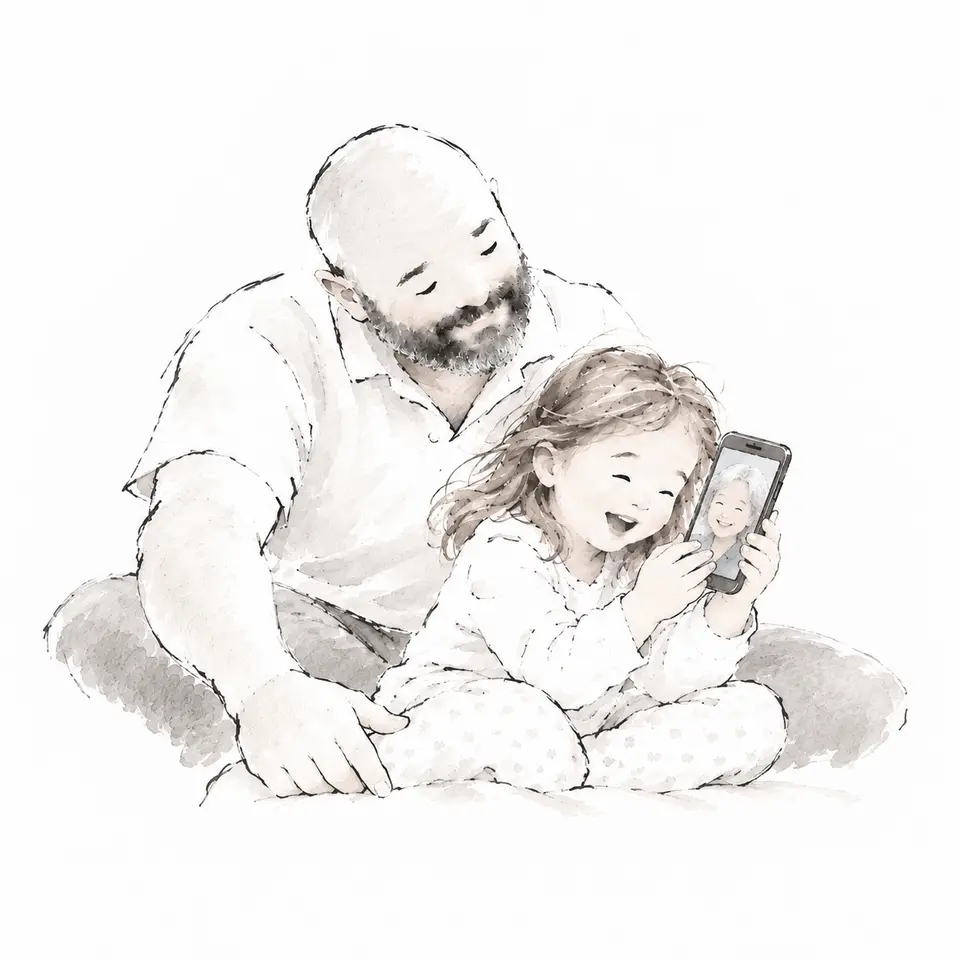
1876 23:59:47,0 on the clock
The telephone
The voice travels along wires: Bell patents the telephone, after years of experiments by Antonio Meucci. In 1969 two computers exchange the first ARPANET message.
The law The best technology brings distant people closer. But if we are not careful, the same technology can push away those who are close.
-
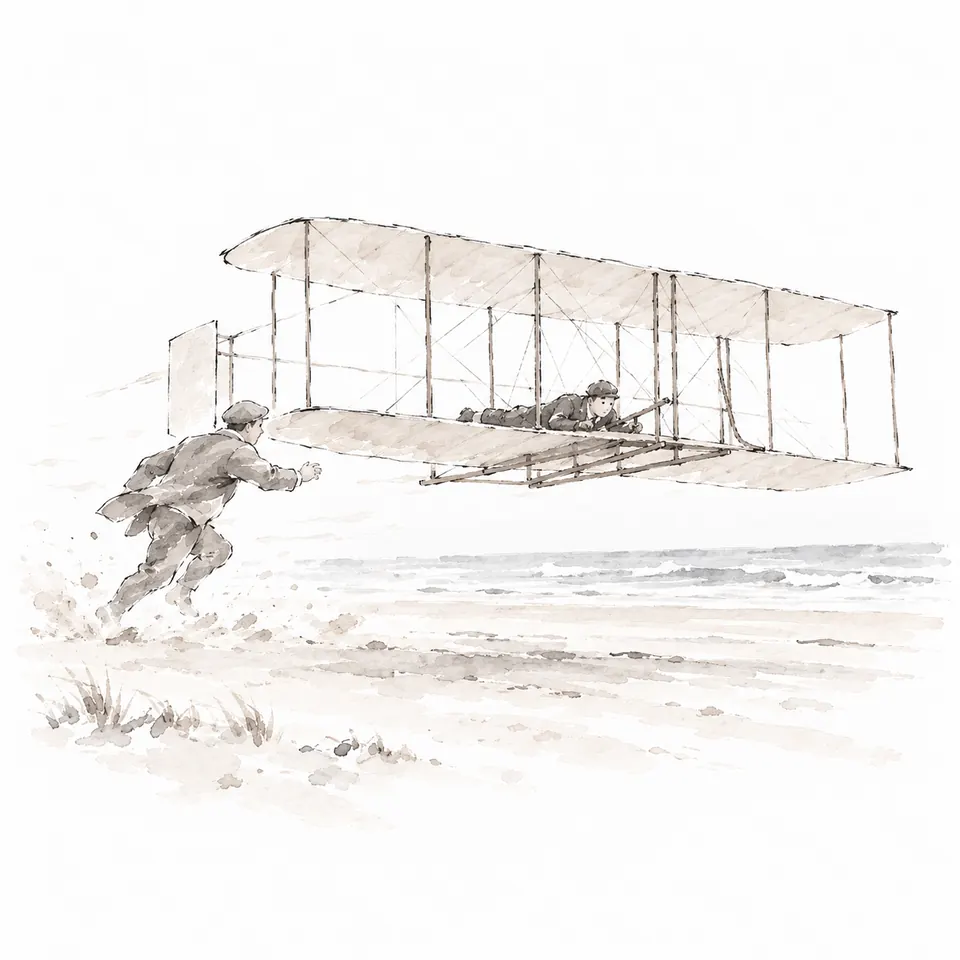
1903 23:59:49,3 on the clock
Flight
At Kitty Hawk the Wright brothers' Flyer stays in the air for twelve seconds. Sixty-six years later, a man walks on the Moon.
-
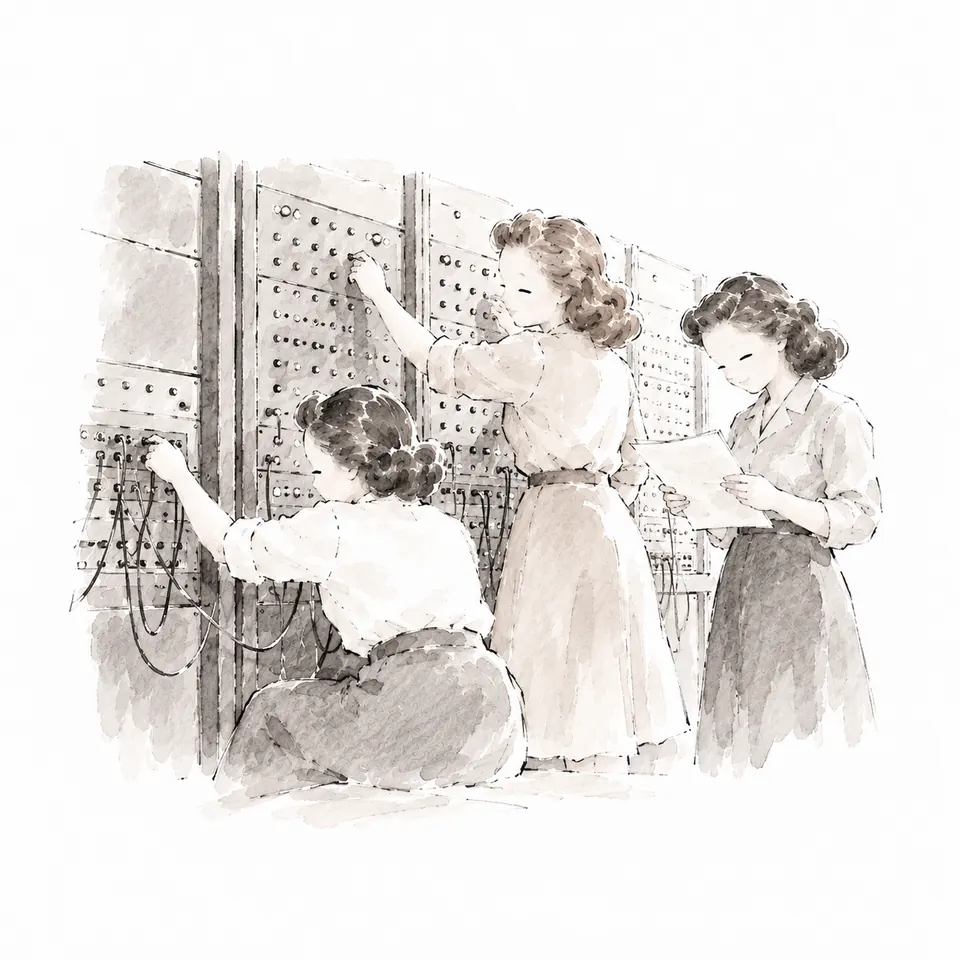
1945 23:59:53,0 on the clock
The computer
ENIAC, one of the first electronic computers, is programmed by connecting cables and switches, by six women whom history long forgot.
The law Machines do what we say, not what we mean. There is always a gap between the two, and in that gap mistakes are born.
-
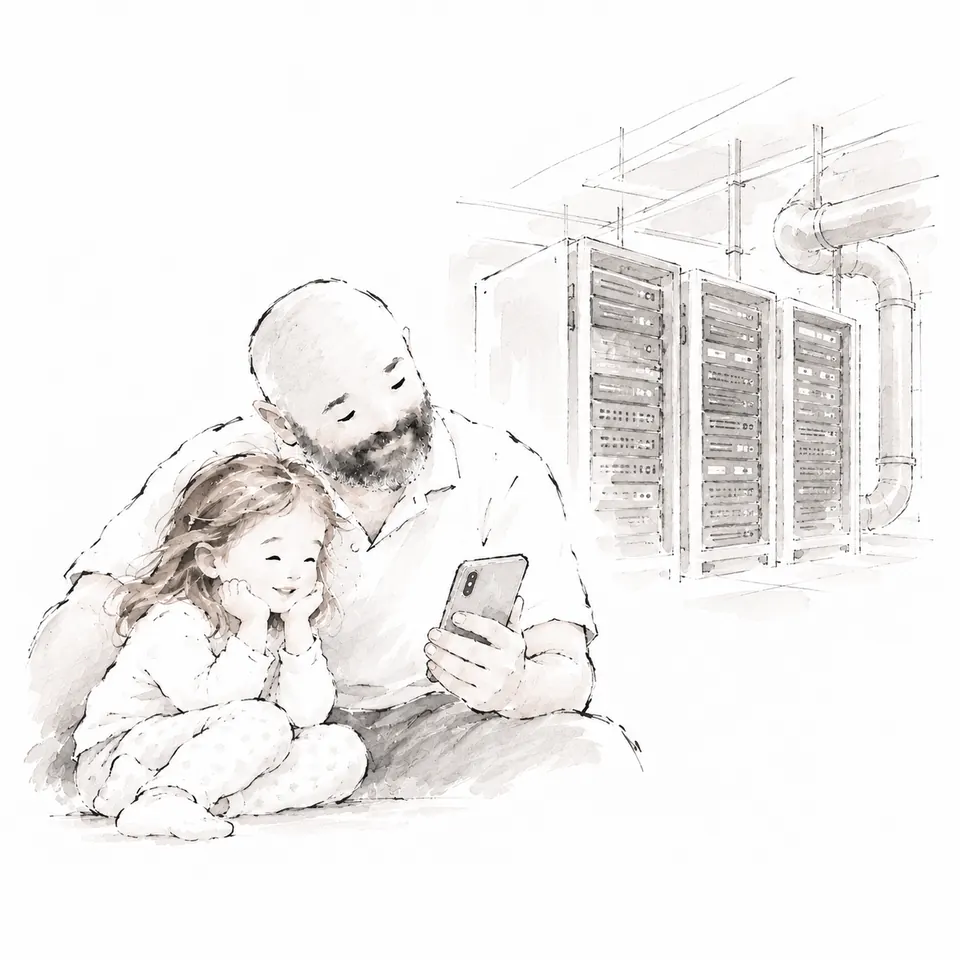
2022 23:59:59,6 on the clock
Artificial intelligence
The name was coined at Dartmouth in 1956. After decades of broken promises, with ChatGPT artificial intelligence enters the daily lives of hundreds of millions of people.
The law Machines can learn from examples and help us explore questions. But every idea leaves a footprint, and the task of choosing the right questions remains ours.
And now?
On the clock it is past 23:59:59. The next second will be written by people who are three years old today.
The maths: one day = 86,400 seconds; each year is worth 0.0864 seconds.